Language knowledge not only shows education and intellectual level, but is also often needed in daily and professional life. However, learning a new language often takes a lot of time and effort. Remote learning, or e-learning, makes the process more convenient, yet the process of learning the language itself remains in the hands of the individual and the teacher. To help you learn a language, we have put together 15 tips to help you learn faster.
-
Set specific goals to learn the language

As in other areas of life, setting specific, achievable goals at the beginning of language learning can facilitate the learning process. For example, mastering the Russian alphabet or a certain number of words are goals that any of us can imagine achieving, so we’re less likely to give up. We also encourage you to write your goals down so that you can visually track your progress.
-
Make language learning a part of your daily routine

To learn a language effectively and quickly, you need to do it every day. Accordingly, you should make language learning a daily habit, where you try to take a step forward every single day. It doesn't have to be anything complicated—revising even five new words will be useful in the long run because you will have practiced the language consistently.
-
Watch content or read texts in the language you are trying to learn

One of the most effective ways to learn English, for example, is by watching films, news, or TV shows specifically in English. The same applies to reading. The more you surround yourself with the language you’re trying to learn, the quicker you will build the necessary vocabulary and get used to it.
-
Take risks and communicate in the target language as much as possible

Even if you haven’t fully mastered the language yet and lack both vocabulary and grammar knowledge, one of the most effective ways to consolidate knowledge is to use it. So, without fear of making mistakes, we encourage you to practice the language at every opportunity, as this will help you improve quickly.
-
Read children’s books and comics in the target language

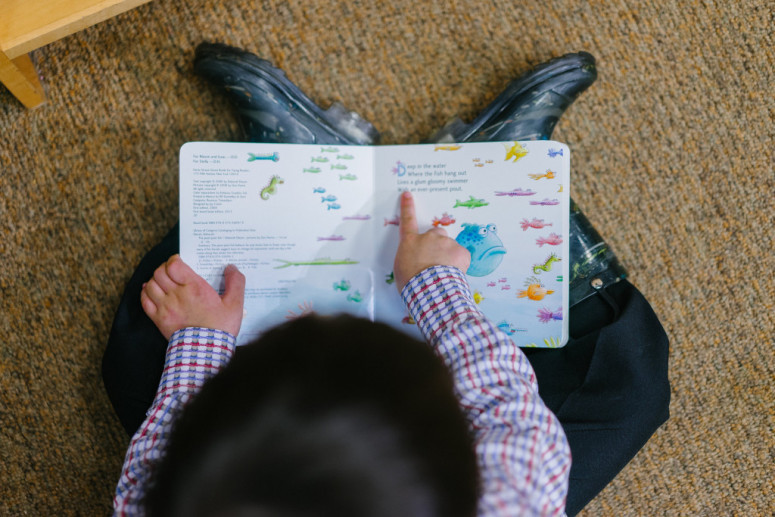
This type of content consists of simple language styles, grammar, and vocabulary. Not for nothing, this content is also created to help children learn a language faster. Children's books will be comprehensible to a person with basic knowledge and will help to develop the target language.
-
Practise the language in front of native speakers
If you know any native speakers, make sure to take the opportunity to practice the language in their presence. This way, you will be able to get feedback on both mistakes and proper usage.
-
Learn the most commonly used words first

Even in our native language, we do not know all existing words. However, it does not affect our daily communication. In English, for example, around 300 words make up 65% of all written language. If you have a tutor, ask for the most important words, learn them, and use them as a basis for further language learning.
-
Use flash cards

By using flash cards with an image of the word on one side and the written word on the other, you can test your knowledge in a fun way. Such flash cards can be made out of paper by yourself, but there are also apps such as Anki where the vocabulary is much wider and the process is automated to get the most out of the cards.
-
Visualise and pronounce the words while learning

When learning a new word, imagine a picture that effectively explains or evokes the word. When the image is in front of your eyes, say the word out loud to reinforce the connection between the image and the word. E-learning can help in this case, as the tutor can show you the most relevant examples right before your eyes.
-
Revise your knowledge

Regardless of who is learning the language, regular tests can help consolidate knowledge. If you know that in a day or two you will need to show what you have learnt, it will work as extra motivation to consolidate what you have learnt. If you have a tutor, ask them to prepare the test. If you're learning on your own, ask someone who is a native speaker to prepare the test for you.
-
Use a notepad to learn the language

When you start learning a new language, buy a new notepad and dedicate it to the language you’re learning. Take it with you almost anywhere you go, so you can consult it or add to it at any time. It has long been proven that physically writing down new knowledge helps the information stick, since we associate it with the process of writing it down.
-
Try to minimize contact with other languages when learning

It is important that, for example, during the hour you spend learning, your mind is only focused on the target language. If you are texting someone or reading something in your native language, your mind will constantly need to switch between languages and learning a new one will become much more difficult.
-
Create a journal where you write only in the target language

Regular practice of the language, as we have already discussed above, certainly helps you learn it. One of the ways to do it is to keep a journal, in which you try to write down your daily occurrences in a sentence or two while practicing the target language. It will also serve as a clear indicator of how much you have learned.
-
Reflect on every mistake

While we encourage you to practice the language as often as possible in your communication, at the same time, if you notice a mistake, it's definitely worth stopping and reflecting on why it was made. Even better, if you have prepared the above-mentioned notepad, you can take notes at the moment of the mistake and what you should have said for it to be correct.
-
Don't be afraid to make mistakes!

As mentioned above, to learn a language, you need to practice it as often as possible. The biggest reason that stops people from doing this is the fear of public failure. But it is natural to make mistakes, and only by making mistakes can we learn from them. Don't be afraid. Learn to take your mistakes with humour. Making mistakes is a natural step in learning something new. But if you are afraid, it will take much longer to learn the language than you would expect.


